Adopted With Japanese Roots? Where to Start Your Search
Published Updated By TADOROOTS Research Team
Perhaps there's a folder you've kept for years. A few official papers, a name that may once have been yours, a place in Japan you've never seen. Most family-history guides begin with "ask your parents or grandparents," and you may have wondered where that leaves you.
If you're asking these questions, you're far from alone. Many adopted people with Japanese roots — in Japan, the United States, Australia, Europe and elsewhere — want to understand where they come from, sometimes after many years of thinking about it quietly. Not having relatives to ask does not mean there is nowhere to begin. The research simply starts from paper rather than from memories.
We're the research team at TADOROOTS in Tokyo. We read old Japanese family registers every day to build family trees, including for Nikkei families abroad. In this article you'll learn:
which papers in an adoption file often hold the most useful clues
how Japan's family register (koseki) fits into an adoptee's search
why the type of adoption matters, and what that means for you
how to take this at a pace that feels comfortable
Where can an adoptee's search begin?
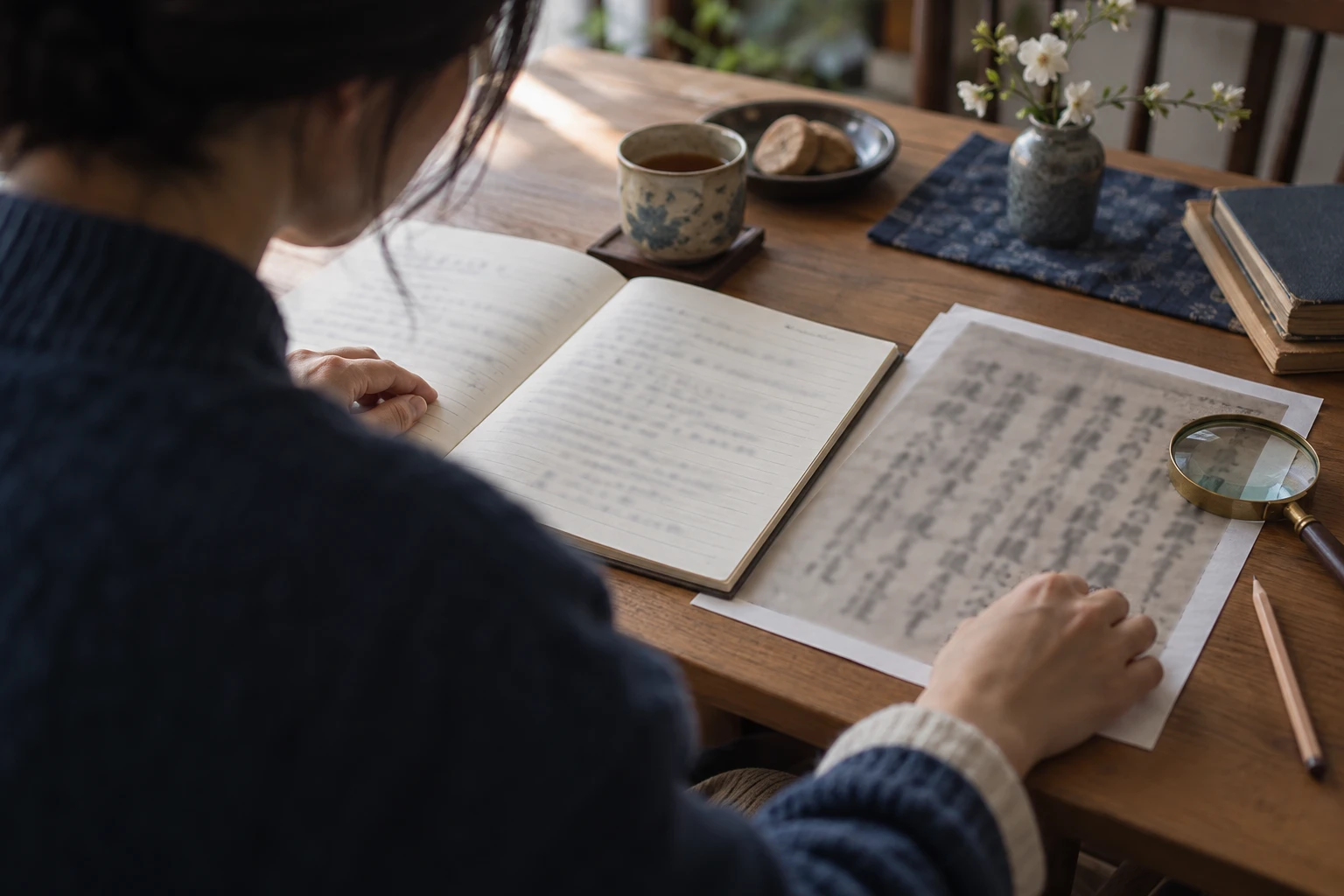
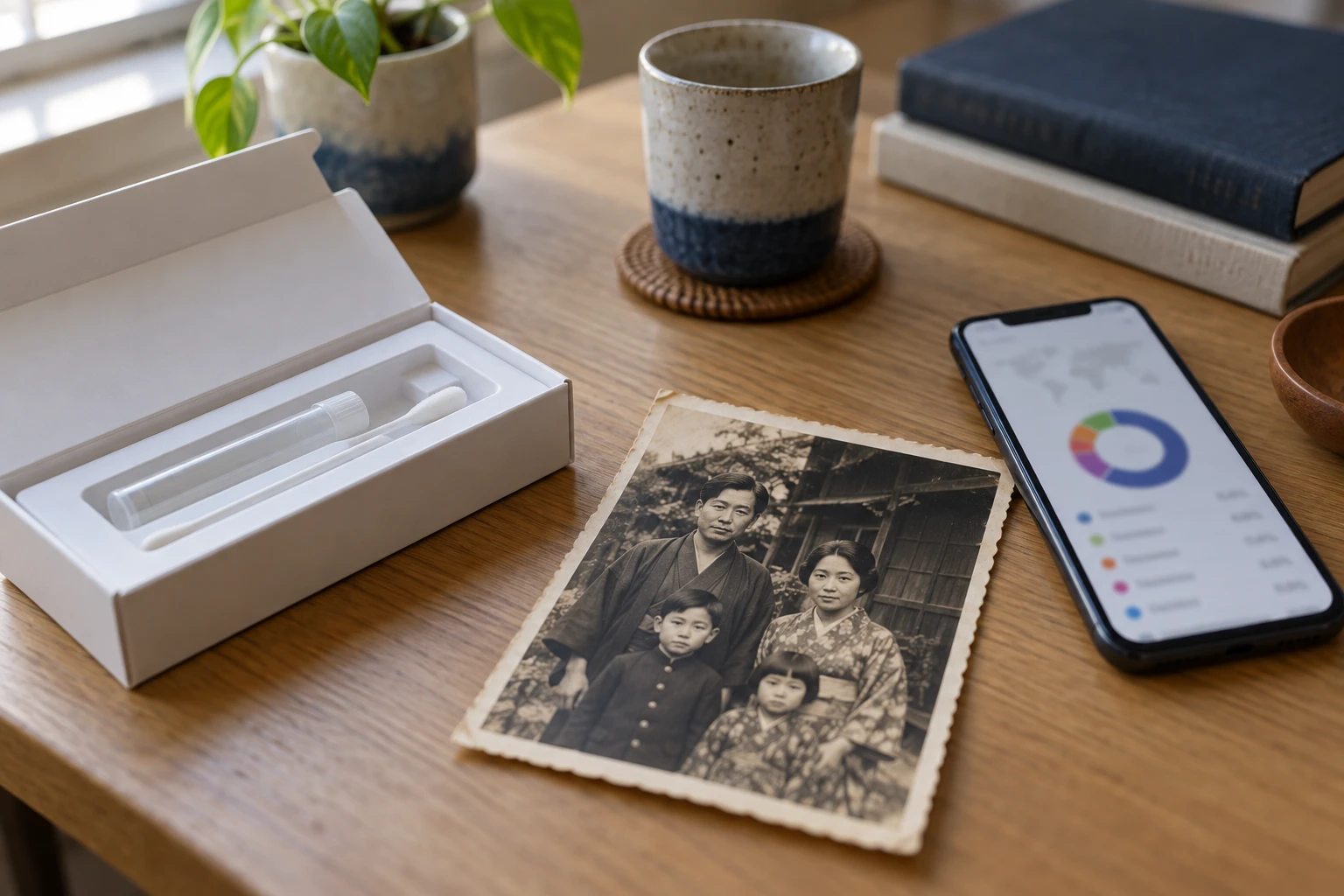
An adoptee's search usually begins with the documents created at the time of the adoption, because they often record a birth name, a birthplace or a registered home in Japan. You don't need to have everything; one detail can be enough to start.
Papers worth looking at closely include:
A Japanese birth record or koseki extract, if one was included in your file
Family court papers from Japan, where adoptions were approved
Adoption agency files from the agency that arranged the placement
Immigration or citizenship papers from the country you moved to, which sometimes repeat a birth name or birthplace
What survives varies a great deal by decade, by agency and by the process used. Two adoptees born in the same year can have very different files, so please don't compare yours to someone else's and assume it's "too little."
How does the Japanese family register fit in?
In Japan, an adoptee can usually start from their own koseki, because it records which register they came from. The koseki is Japan's official family register: it lists the members of a household with their births, marriages, adoptions and deaths, and each entry notes the register a person moved in from.
Under Article 10 of Japan's Family Register Act, the people named in a register — including those who have since moved out of it — can request a copy without giving a reason. For many adoptees, that means the registers you yourself appeared in are within reach, and each one points to the one before.
A register is kept by the town office of the family's registered home (honseki), not necessarily where the family lived. So if your papers show a registered home, that is a very valuable clue. A town named in the 1960s or 1970s may since have merged into a larger city — Japan has over 1,700 municipalities today — but the register moves with it.
Why does the type of adoption matter?
The type of adoption decides how far your legal connection to your birth family's records reaches, so it's worth confirming early. Japan has two kinds:
Ordinary adoption (futsu yoshi) keeps the legal tie to the birth family. The adopted person has both a birth family and an adoptive family in law.
Special adoption (tokubetsu yoshi), available since 1988, ends the legal tie to the birth family. The adoptive parents become the child's only legal parents.
This doesn't mean a search after a special adoption is impossible — your own registers are still yours. But how far you can go into the birth family's older registers can be more limited, and it's better to know this at the start than to discover it partway through. International adoptions add another layer: Japanese records and the receiving country's records don't always agree on details such as spelling or dates, so we compare both rather than trusting one.
What can a koseki tell you — and what can't it?
A koseki records legal family relationships — names, dates, places and the links between registers — but it does not record medical history. Many adoptees hope to learn about family health, and it's kind to say this plainly at the beginning, so that expectations match what the records hold.
What a koseki often can show:
birth names and the dates of births, marriages and adoptions
the registered home of the family over several generations
how one household connects to the next, sometimes back to ancestors born in the 1800s
In our experience, outcomes for adoptees vary more widely than for other searches. Some reach a full family tree; others reach a confirmed birthplace and a few names. Both are real, honest results, and both can mean a great deal.
How can you take this at your own pace?
There is no right speed for this kind of search — you can learn everything at once or one step at a time. Some people want the whole picture as soon as possible. Others prefer to open each finding when they feel ready. Both are completely reasonable.
A few things many people find helpful:
Decide what you most want to know — a place, a name, a family line — and start there.
Keep everything in one folder, including copies of anything with Japanese writing on it.
Choose who you'd like to share findings with, before they arrive.
Finding living relatives is a different matter from learning family history. It involves other people's wishes and privacy, so it deserves extra care. We never make contact with anyone on our own; if that question arises, we talk it through with you first.
In summary
Adoption papers often hold a birth name, birthplace or registered home, and one detail can be enough to begin.
In Japan, an adoptee can usually start from their own koseki; the type of adoption shapes how far the birth family's records reach.
A koseki shows legal family links, not medical history, and you can explore it at whatever pace suits you.
Wherever the search leads, understanding even a part of your story can make it feel more your own.
How TADOROOTS can help
We help adoptees with Japanese roots turn the papers they have into a clear family picture. We read your documents, work out which registers may be available to you and from which town, prepare the paperwork so that requests are made on your own written authorization, then read the old registers and build an English family tree and report. We talk about what is realistic at the very start, not halfway through. You can see how our step-by-step pricing works — the first step is small, so you can decide what comes next once you see what's possible. We can work with you in English, Chinese, Korean or Japanese.
Frequently asked questions
Q. Can an adopted person research their Japanese ancestry?
Yes. The search usually starts from the papers created at the time of the adoption, such as a Japanese birth record, family court papers or agency files. In Japan, an adoptee can usually request their own koseki, which shows the register they came from.
Q. Does it matter whether it was an ordinary or a special adoption?
Yes. An ordinary adoption keeps the legal tie to the birth family, while a special adoption, available in Japan since 1988, ends it. This affects how far the birth family's older registers can be requested, so it is worth confirming early.
Q. Will a koseki tell me about my family's medical history?
No. A koseki records legal family relationships, such as births, marriages, adoptions and deaths, and the links between registers. It does not record illnesses or medical information.
Q. My papers only show a prefecture. Is that enough to begin?
It can be a start. A prefecture narrows the search, and other papers — immigration files, a birth record or a family court document — may add a town or a registered home. The more details you can combine, the clearer the path becomes.
Q. Can you help me contact my birth family?
Finding living relatives involves other people's wishes and privacy, and it goes beyond family-history research. We never make contact with anyone on our own. If the question arises during research, we talk it through with you first.
Q. My adoption records are described as sealed. Has the trail ended?
Not necessarily. Sealed and destroyed are not the same thing, and the rules differ by country and by type of adoption. It is worth confirming which applies before assuming nothing can be found.
Q. Do I need to read Japanese or travel to Japan?
No. You can gather and photograph your documents at home. Registers are requested and returned by post, and reading the old handwriting is where a native-reading researcher helps.