Japanese Emigrant Ancestors: Records to Check Before Japan
Published Updated By TADOROOTS Research Team
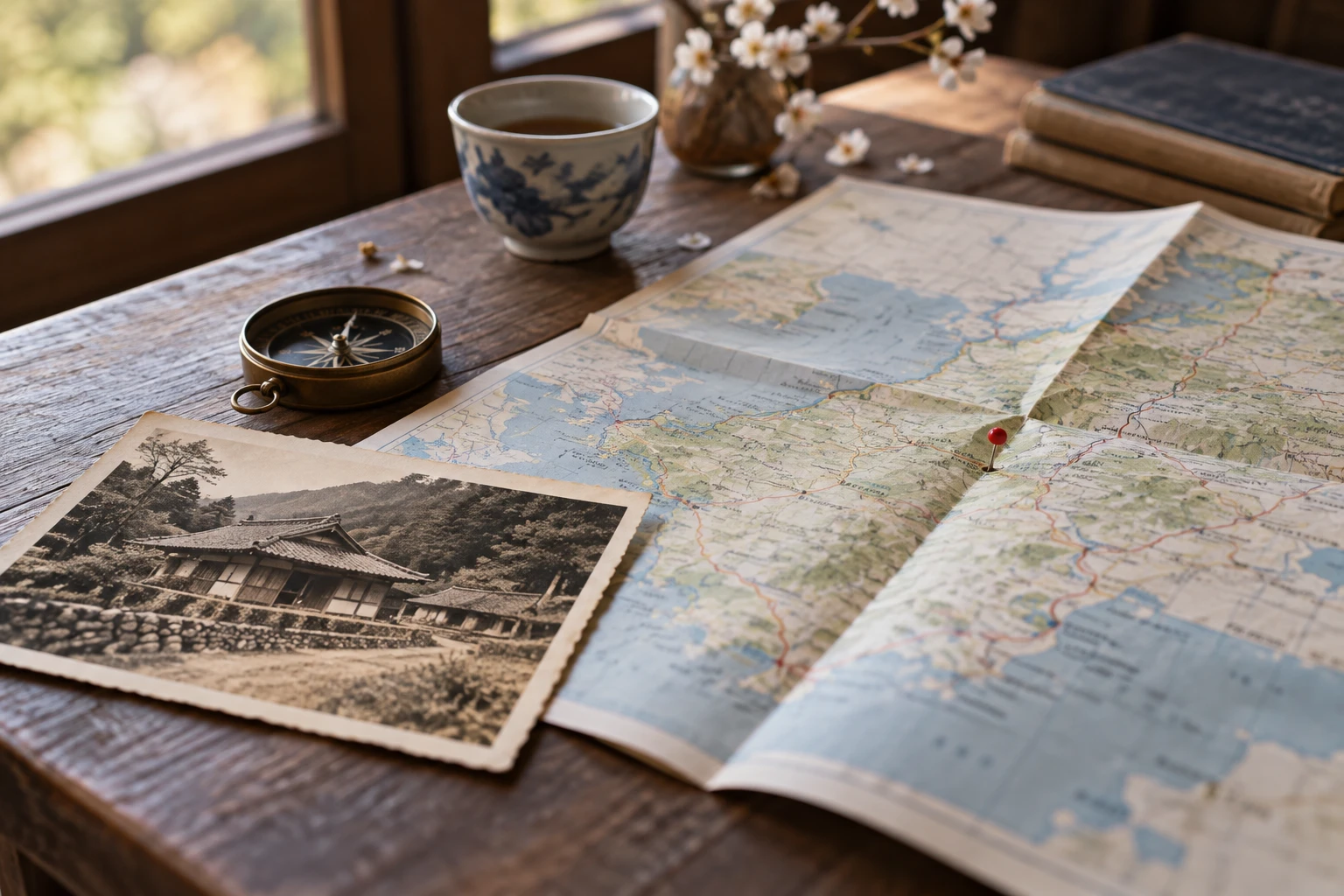
Somewhere in the family story there's a ship. A great-grandfather who sailed to Hawaii, a grandmother who arrived in Brazil as a child, a young man who left a village in Japan and never went back. You'd like to find where that journey began — but the obvious first move, reaching out to Japan, feels like shouting into the dark.
If that's where you are, you're far from alone. Many Nikkei families in the United States, Canada, Brazil, Peru and beyond hold a story like this and don't know where to start. Here's the encouraging part: the records your family created after arriving in their new country are often the fastest way back to their hometown in Japan. Many of them are in English, Portuguese or Spanish, and you can search them yourself.
We're the research team at TADOROOTS in Tokyo. We read old Japanese family registers every day to build family trees, including for Nikkei families abroad. In this article you'll learn:
why a Japanese family search usually starts outside Japan
which emigration records often name a prefecture or village
what to do if your family kept few papers
how these clues lead to Japan's family register, the koseki
Why start with records outside Japan?
A Japanese family search usually starts outside Japan because a koseki request needs the family's registered home (honseki), and emigration records are often where that place is written down. The koseki, Japan's family register, is kept by the town office of the registered home — not where the family lived, and not by surname or prefecture alone.
Without that town, a request has nowhere to go. Most emigrants left with their register still in their home village, so the village is the key. In our experience, the best clues to it often come from paperwork created on the other side of the ocean.
There's another benefit: this part of the work is something you can do yourself, in your own language, without reading Japanese.
Which emigration records often name a hometown?
Ship passenger lists, censuses, naturalization and alien registration files, and wartime records are the records that most often give a Japanese ancestor's prefecture, village or arrival date. Here's what each can offer:
Passenger lists. Japanese emigration went to Hawaii from 1885, to the US mainland until the 1924 Immigration Act, to Peru from 1899 and to Brazil from 1908. Arrival lists can include age, place of origin and sometimes a contact person.
Census records. In the United States, the 1900 to 1930 censuses asked immigrants for their year of arrival. Because Issei could not naturalize as US citizens until 1952, the census may be one of few records giving an arrival date for them.
Naturalization and alien registration files. These sometimes name a birthplace, occasionally down to the prefecture or village.
Wartime records. For Japanese American families, the U.S. National Archives' searchable War Relocation Authority data can list details about each person held in the camps.
For Brazil, a useful landmark is the Kasato Maru, which arrived at Santos on June 18, 1908, carrying 781 contract emigrants. Early emigration to Brazil was organized by emigration companies under contracts with the São Paulo state government, arrivals peaked in the late 1920s and 1930s, and emigration resumed after the war until the last emigrant ship in 1973.
What clues might already be in your family?
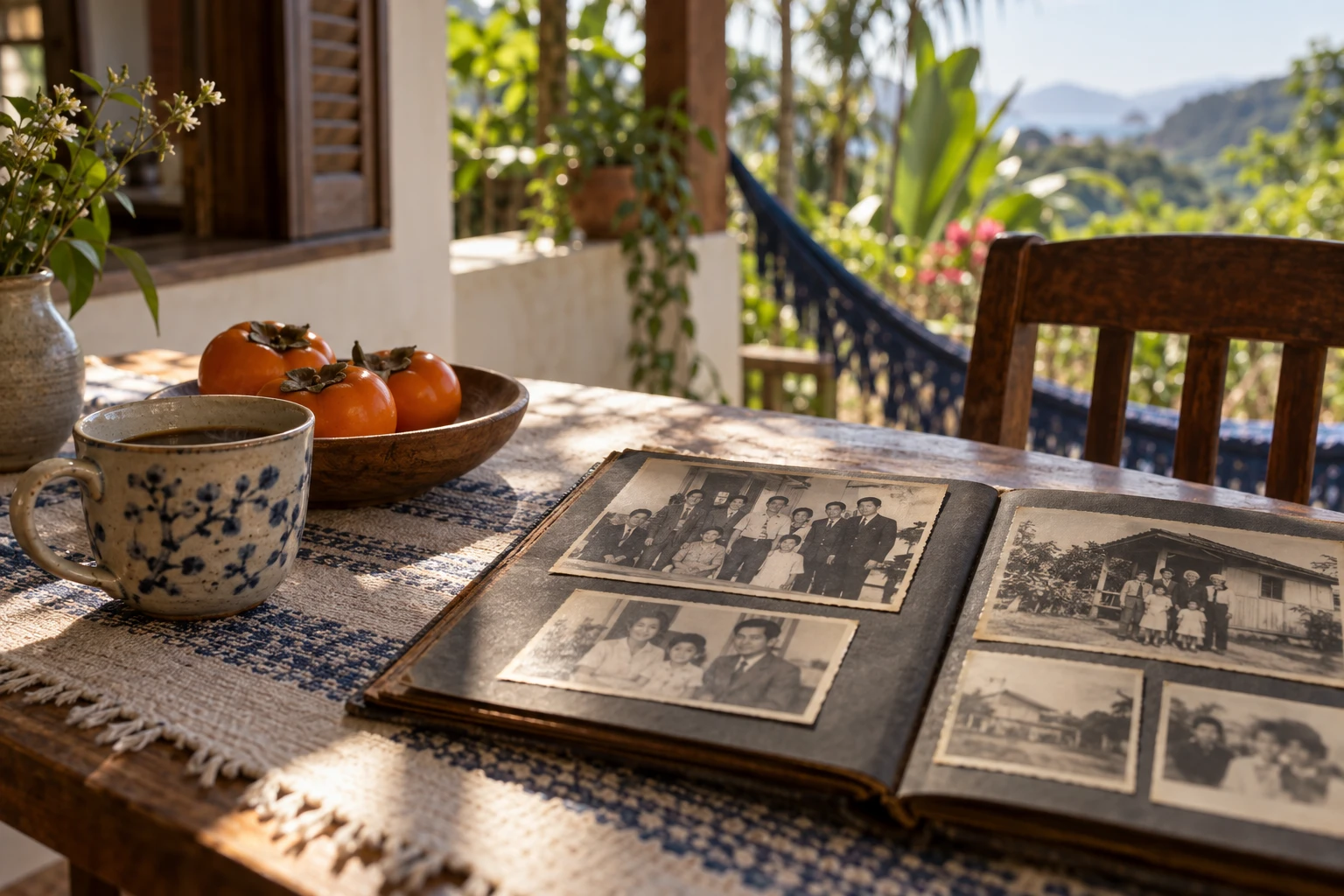
Family papers and keepsakes often hold a Japanese place name or a name in kanji, even when no one can read them. Look for:
Letters and postcards from Japan, which may carry a return address
Gravestones, which sometimes record a home prefecture or village
Buddhist altar tablets (ihai) and a family altar (butsudan) kept at home
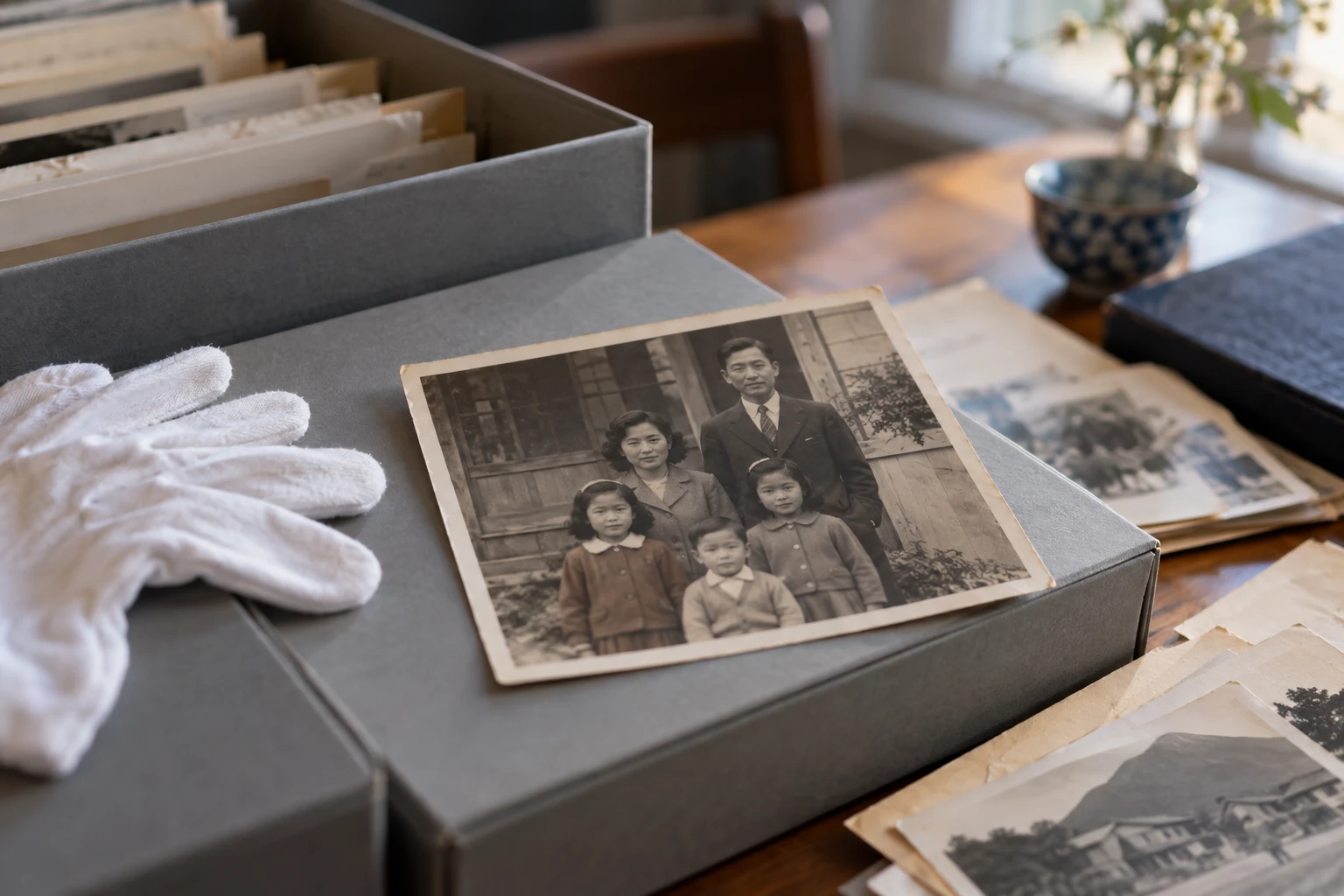
Old passports, photos with writing on the back and certificates
Photograph anything with Japanese writing, front and back, in good light. Please don't try to guess the kanji yourself — a clear photo is far more useful than a guess.
Names can also change. A surname might be spelled one way on a ship list and another way on a later census. Keep every spelling you find, side by side; matching them is often how you confirm it's the same person.
What if your family kept few papers?
If your family kept few papers, public archives in your country and in Japan can often fill the gaps. That's a common starting point, not a dead end.
In the United States, the National Archives holds immigration, naturalization and wartime records, many searchable online.
In Japan, the Diplomatic Archives of the Ministry of Foreign Affairs keeps passport issuance records for people who went abroad, and the National Diet Library has guidance on researching prewar travel records.
JICA's Japanese Overseas Migration Museum in Yokohama explains the history of Japanese emigration to the Americas.
A family story passed down by word of mouth is also worth writing down. A remembered village name, a reason the family left, a half-remembered word — small fragments can be what makes the difference.
How do these clues lead to the koseki?
Once you know the registered home, the koseki kept there can trace your family back through Japan, one register at a time. Before 1948, registers were organized around the head of the household, so one register can show three or four generations. The oldest registers generally available are in the 1886 (Meiji 19) format and often reach people born in the early to mid-1800s.
A few points help to know in advance:
Villages from the 1800s and 1900s have often merged into larger municipalities since; Japan has over 1,700 today, and the registers moved with the merger.
Under the Family Register Act, direct-line descendants can request their ancestors' registers without giving a reason.
From abroad, requests are made by post, in Japanese, and each exchange commonly takes a few weeks.
In summary
A koseki search needs the family's registered home, and emigration records are often where it's found.
Ship lists, censuses, naturalization papers, wartime records and family keepsakes are the places to look first.
If your family kept few papers, public archives in your country and in Japan can help.
Your ancestor's journey left a trail. Following it back, step by step, is how many families find the village where their story began.
How TADOROOTS can help
We help Nikkei families go from an emigration story to a family tree. We start by reviewing the documents and records you already have to identify or narrow down the registered home. Then we work out which registers to request and from which town, prepare the paperwork for a direct-line descendant's written authorization, read the old handwritten registers and build an English family tree and report. You can see how our step-by-step pricing works — the first step is small, so you know what is possible before deciding more. We can work with you in English, Chinese, Korean or Japanese.
Frequently asked questions
Q. Why shouldn't I start my Japanese family search in Japan?
A koseki request needs the family's registered home, a specific town. Emigration records in your own country often name it or give strong clues, so starting there usually makes the search in Japan faster and more precise.
Q. Which records most often name a Japanese ancestor's hometown?
Ship passenger lists, naturalization and alien registration files, wartime records and family keepsakes such as letters, gravestones and altar tablets most often name a prefecture or village.
Q. My family's surname was spelled differently over the years. Is that a problem?
It's very common. Names were often written down by officials who didn't speak Japanese. Comparing an early record, such as a ship list, with later censuses or naturalization papers can reveal both spellings and confirm they refer to the same person.
Q. When did Japanese emigration to Brazil begin?
The first organized emigrant ship, the Kasato Maru, arrived at Santos on June 18, 1908, with 781 contract emigrants. Arrivals peaked in the late 1920s and 1930s and resumed after the war until 1973.
Q. My family kept almost no documents. Can research still start?
Yes. Public archives, such as the U.S. National Archives and Japan's Diplomatic Archives, hold immigration and passport records. A remembered village name or family story can also be an important clue.
Q. Do I need to read Japanese to search emigration records?
No. Many emigration records are in English, Portuguese or Spanish. Japanese is needed later, for reading the koseki, and that is where a native-reading researcher helps.
Q. Do I need to travel to Japan to find my ancestor's hometown?
No. Records are requested and returned by post. Many families choose to visit later, once the research has found the hometown.